

The Benefits of Scalp Massage Techniques and Tools for Hair Growth
Hippocrates once said, “The way to health is to have an aromatic bath and a scented massage every day.” Of course, it’s not always possible to enjoy a daily spa-like experience in today’s busy world, but the point remains: Self-care directly impacts your well-being.
Regular scalp massage is so much more than a way to unwind. Research has shown that scalp massage can physically stimulate hair growth in a number of ways. And when you factor in the mind-body connection, you really start to understand the logic behind this phenomenon.
A Brief Look at the Research
In one scientific study, nine healthy men had their scalps massaged with a scalp massage device for four minutes every day over a period of six months. By the end of the study, the results showed that the participants’ hair thickness had increased.
In another research study, 340 participants with androgenic alopecia (pattern baldness) were instructed on how to perform scalp massages for 11–20 minutes, twice per day. After approximately seven months, 68.9% reported hair loss stabilization or regrowth.
Long story short: Scalp massage works! Let’s explore why.
1. Stress Management Supports Healthy Hair Growth
The simple act of applying pressure to the body can work wonders for alleviating stress. Stress doesn’t only take a toll on our mental and emotional health; it directly affects our physical well-being too. Countless studies have shown that stress can manifest as health conditions.
In the context of hair loss, stress can cause hormonal imbalances that disrupt the hair growth cycle. Below are two examples of what that can look like.
Example 1: Cortisol
When a stressful event occurs, our cortisol levels rise rapidly, triggering a “fight-or-flight” response. That’s why cortisol is often referred to as the “stress hormone.”
When the body is in fight-or-flight mode, it prepares for potential danger in a number of ways, such as enhancing focus and delivering a boost of energy. The body diverts resources to the most critical biological processes. Hair growth isn’t required for survival, so the hair growth cycle pauses until the “danger” has passed.
Therefore, if chronic stress isn’t managed properly, the corresponding high cortisol levels can lead to hair loss.
Whether you take steps to achieve a better work-life balance or pick up yoga or meditation, being proactive about stress management can prevent hair loss and help you live a happier, healthier life overall.
“Tension is who you think you should be. Relaxation is who you are.” – Chinese proverb
Example 2: Melatonin
Chronic stress can cause sleeping problems. Melatonin is a hormone that plays a critical role in signaling the body that it’s time to sleep. It has also been shown to extend how long the growth (anagen) stage of the hair growth cycle lasts.
Our bodies produce significant amounts of melatonin while we slumber. If you’re not getting enough quality sleep, the lack of melatonin can decrease the length of the growth stage of the hair growth cycle, eventually causing hair loss.
In addition to disrupting the hair growth cycle, poor sleep impacts your overall health, making it difficult for your body to perform at its highest capacity, including growing hair. Don’t underestimate the importance of getting enough rest as a core part of your long-term wellness plan.
“A good laugh and a long sleep are the best cures in the doctor’s book.” – Irish proverb
Read: 10 Common Healthcare Mistakes and How Patients Can Avoid Them
2. Improving Circulation Feeds Your Follicles
In order for hair to grow, the follicles need to receive a steady supply of nutrients and oxygen via the bloodstream. Massaging the scalp relaxes the blood vessels and stimulates blood flow, naturally allowing adequate supplies of nutrients and oxygen to reach the follicles.
The follicles use nutrients and oxygen as fuel to produce the energy required for cell division, a process that forms hair cells which eventually turn into keratin, the protein that makes up hair.
3. Scalp Massage Can Awaken Dormant Follicles
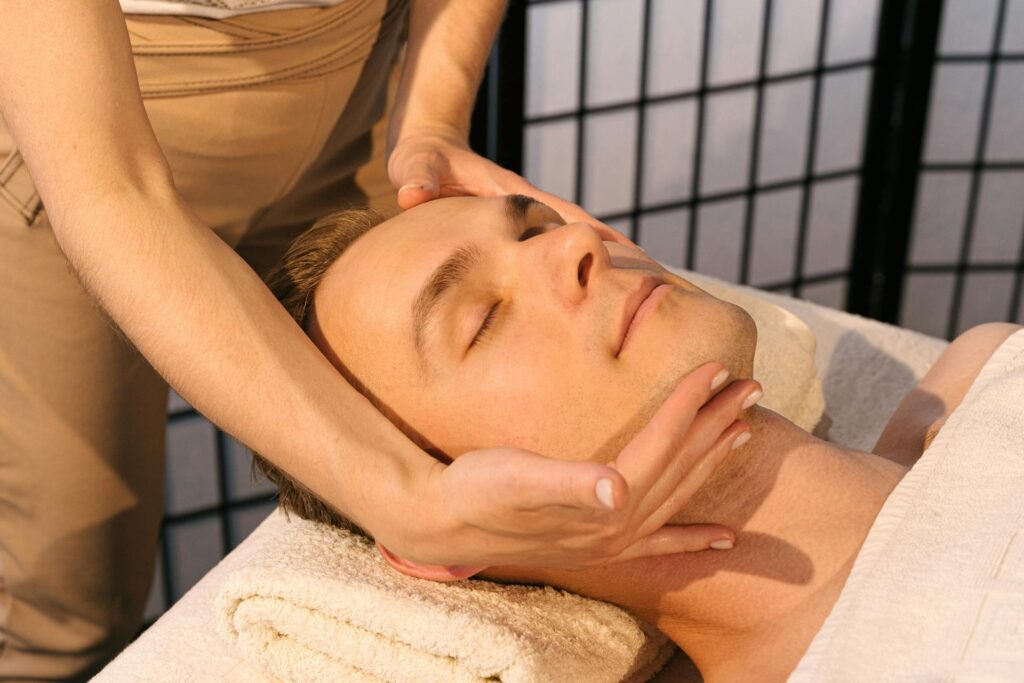
The resting (telogen) stage of the hair growth cycle is when hair follicles take a break after working hard to grow hair. They typically go dormant for around three months. Although approximately 90% of hair follicles are in the growth stage at any given moment, dormant follicles don’t grow new hair.
Scientific research suggests that directly stimulating hair follicles can reactivate dormant follicles, essentially sending them back into action.
Besides scalp massage, research suggests that stimulating follicles in other ways, such as using low-level laser light therapy (LLLT), platelet-rich plasma, minoxidil, and various herbs and supplements, may also support hair growth in similar ways.
4. Massage Techniques & Tools Can Unblock Follicles
Over time, body oils, dead skin cells, and leftover hair product residue can clog hair-producing follicles, inhibiting the natural growth cycle.
Massage tools and techniques that focus on exfoliation can remove blockages that prevent hair from growing, especially when used in conjunction with exfoliating products that contain abrasives like salt or charcoal.
Many massage tools can be used without the aid of another person. For example, silicone-bristled scalp brushes can be used while showering. Wire-pronged scalp massagers can also help with exfoliation.
5. Massage Supports the Body’s Healing Processes
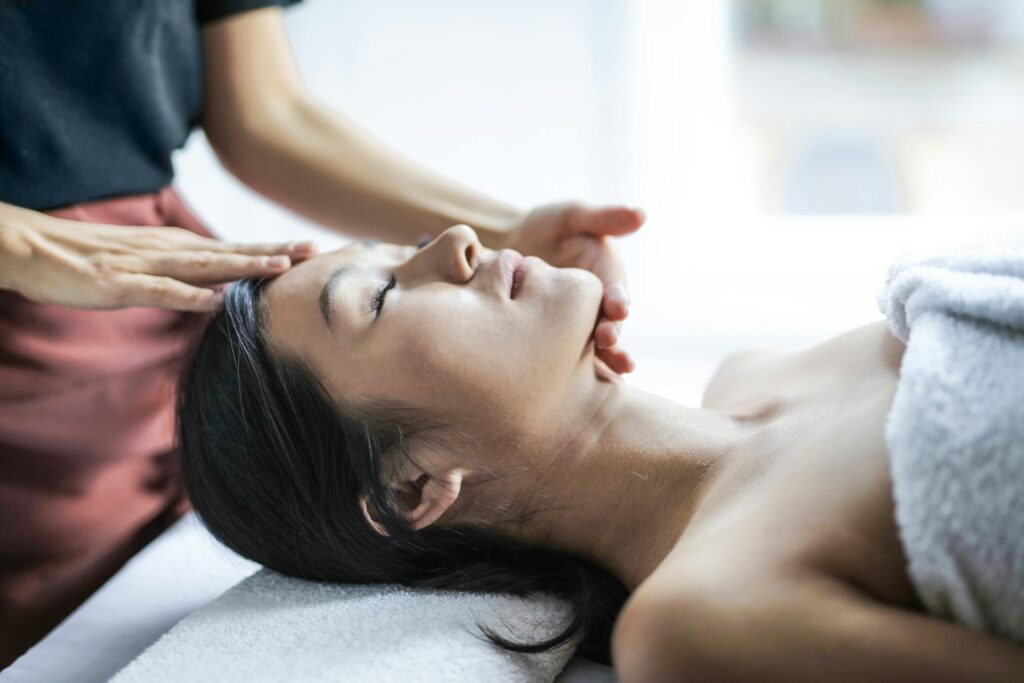
Massage can help the body heal by improving circulation, flushing out waste, restoring hormonal balance, alleviating stress, and relieving pressure and tension, just to name a few. Massage is part of a holistic approach that focuses on how the entire body is connected together, including the mind.
For example, when you have chronic inflammation, your body prioritizes energy and other resources to heal. That means there’s less energy and resources to support hair growth. When your body is functioning optimally, it’s able to recover quickly and refocus on non-essential processes like hair growth.
Take Steps to Support Healthy Hair Growth
Hair loss is often reversible through regular massage, laser hair restoration treatments, supplementation, topical medications, and lifestyle changes. Talk to a healthcare professional about your options. Taking proactive steps today can ensure that you have a healthy head of hair tomorrow. As the old saying goes, an ounce of prevention is worth a pound of cure!