
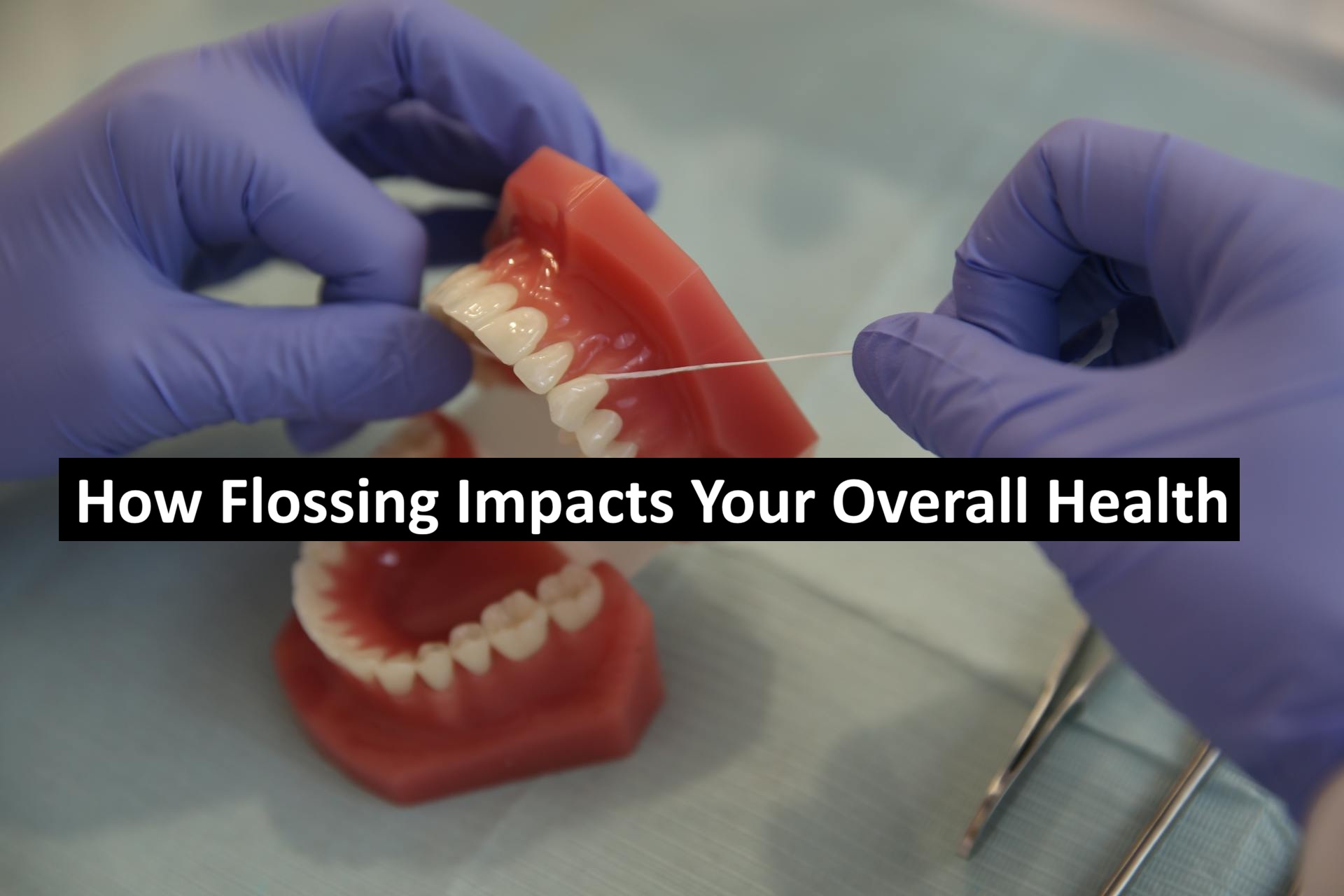
How Flossing Impacts Your Overall Health?
Key Takeaways:
- Flossing doesn’t just improve your oral health but also your overall health.
- Just because you can’t see the effects of daily flossing immediately doesn’t mean that it’s not effective.
- Flossing reduces the amount of bacteria that can cause gum disease, but it’s also linked to a reduction in cardiovascular disease and inflammation throughout the body.
- Don’t hesitate to add regular flossing to your oral care routine because you’ll reap the benefits years from now.
Flossed lately? Most people reading this probably haven’t. Only a select percentage (30%, to be exact) flosses daily. Most might find flossing unrewarding. But that’s the point. It’s not supposed to reward you instantly. It’s something that, in the long term, will benefit you immensely.
Flossing = Not Pointless At All
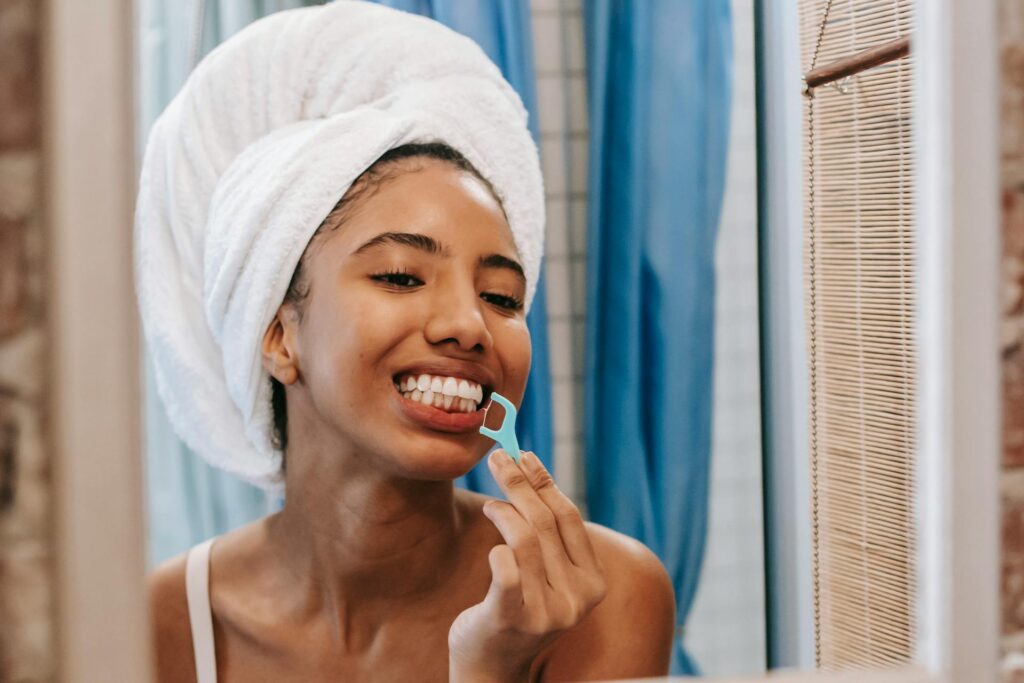
Are you getting instant, visible results with flossing? Probably not. But you don’t expect to eat healthily and lose ten pounds the next day either. So don’t expect whiter teeth the day after you floss. And to be honest, your gums might even bleed at first (which is confusing). But the early bleeding is a sign of existing inflammation. Floss regularly, and you see these gums slowly heal.
So the fact that you don’t see results instantly doesn’t actually mean nothing is happening. Changes are microscopic, but they’re definitely happening!
Read: 7 Simple Swaps To Make Every Morning Better
What Flossing Actually Does Between Your Teeth
Toothbrush bristles simply can’t reach the tight spaces where teeth touch. In those gaps, plaque builds up undisturbed, feeding on sugars and releasing acids that erode enamel and irritate gums. Floss slides into these spaces, breaking up the biofilm and disrupting bacterial colonies before they harden into tartar.
Clinical studies in adults have found that people who floss for oral health have less gum inflammation and fewer cavities. They end up keeping more of their natural teeth over time than non-flossers. You might not see a difference, but dentists can see it clearly in reduced redness, shallower gum pockets, and less bleeding.
Tiny Daily Effort, Big Long-Term Gum Benefits
Gum disease, contrary to popular belief, doesn’t really explode overnight. It creeps in slowly. First comes gingivitis (red, swollen, bleeding gums). This is reversible. If plaque is left for months or years, it evolves to periodontitis. Bone around the teeth is destroyed, and teeth loosen.
And what does the research say? Regular cleaning between the teeth helps reduce signs of gingivitis when added to brushing. It quietly dials down inflammation from day 1. It protects the foundation that holds your teeth together.
Flossing and Overall Health? The Link, Explained
Who would have ever thought that your gums are connected to your bloodstream? But when they’re chronically inflamed, bacteria and other microbial products enter circulation. They end up contributing to larger health issues.
Studies show, on the other hand, that people who floss are less likely to have advanced gum disease, lose fewer teeth, and have less risk of other problems, like cardiovascular events.
Flossing isn’t a magic shield against heart disease or stroke. But it reduces one ongoing source of inflammation, infected gum tissue, that your immune system would otherwise be battling constantly.
Why “No Obvious Change” Can Still Mean Real
Protection
Think of flossing like wearing sunscreen or eating a balanced diet. You don’t notice a different face or body tomorrow, but you’re preventing damage that would only show up years later. With flossing, it’s the “non-event” that matters. You reduce the chances of:
- Developing deep gum pockets.
- Needing as many fillings between teeth.
- Losing teeth prematurely.
Data shows that regular flossers have less periodontal disease, fewer coronal cavities, and retain more teeth over a five-year period than non-flossers.
Making Flossing Easier and More Realistic
Part of why people don’t floss is that traditional string floss feels fiddly and time-consuming. The good news? The principle is “clean between your teeth,” not “you must use one specific tool.” Dentists and researchers increasingly support alternatives like floss picks, interdental brushes, and water flossers.
- Start with just one area (front teeth or back teeth) each night. Expand as it becomes routine.
- Floss at the time of day you have the most energy.
- Use pre-threaded flossers or interdental brushes if string floss frustrates you. Imperfect but consistent beats perfect but rare.
What to Expect When You Start (or Restart)
If you haven’t flossed in a while, it’s normal to see:
- Mild bleeding for a week or two
- Slight soreness in the gums
- A cleaner feeling between teeth after a few days.
As the inflammation goes down, bleeding will diminish. Your gums will tighten around your teeth. Dentists see improvements in gum scores within a few months in patients who add daily flossing, even if the patient feels like nothing has changed.
The Bottom Line: Flossing is Working, Even When You Can’t See It
Skipping floss because you don’t see a payoff is like canceling your retirement savings because your balance didn’t double in a month.
The benefits aren’t all that apparent. And they’re not visible to the naked (untrained) eye. Longer term, though: less gum disease and fewer cavities. More of your natural teeth. Potentially lower inflammation. Use nano-hydroxyapatite floss, as it’s more effective both short-term and long-term. You might not get that dramatic before-and-after photo from flossing. But the odds are being stacked (in your favor). Better oral health with flossing? Start today!