
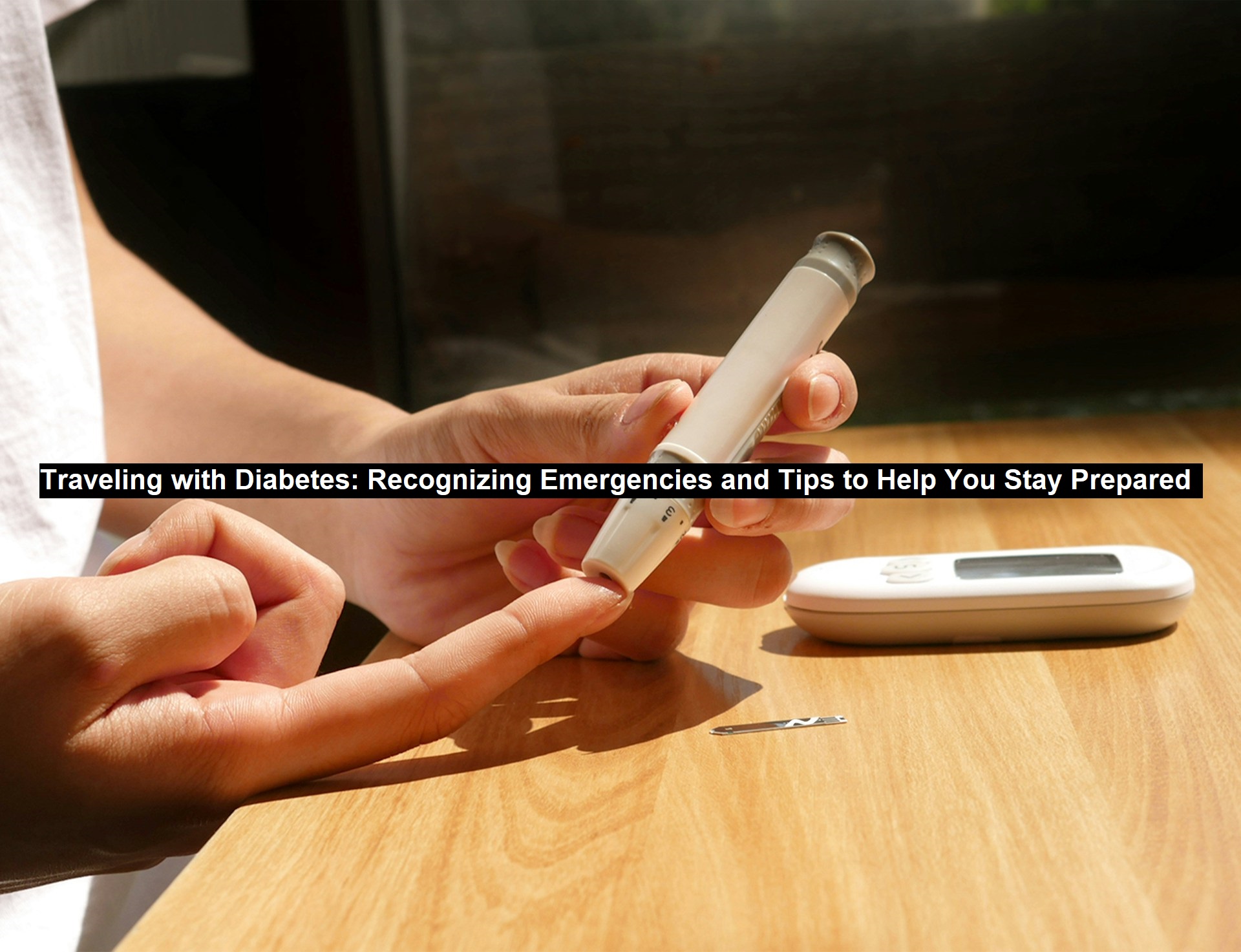
Traveling with Diabetes: Recognizing Emergencies and Tips to Help You Stay Prepared
There’s nothing quite like the feeling of finally taking off for a fun trip that you’ve been planning for ages. Of course, there is often a lot of work that goes into planning the perfect getaway. This is especially true for people living with diabetes, who need to consistently monitor their blood glucose levels throughout the day and take insulin as needed. This article will cover the most common emergencies a person with diabetes might encounter while traveling, and tips to prevent those emergencies from happening.
Common Diabetic Emergencies to Watch Out for
Generally speaking, diabetic emergencies are caused by a person’s blood glucose levels dipping too low (hypoglycemia) or rising too high (hyperglycemia). If blood glucose levels remain out of range for too long, life-threatening emergencies can occur. See below for more specifics on the different types of diabetic emergencies.
Read: How to Keep Your Baby Warm Inside and Outside
Hypoglycemia
Most people with diabetes are considered to be hypoglycemic when their blood sugar drops below 70 mg/dL. In someone with diabetes, this can be caused by a number of factors, such as skipping meals, taking too much insulin, not timing insulin intake close enough to mealtime, and more. If left untreated, hypoglycemia can become severe and lead to heart problems, coma, and even death. These are some common symptoms of hypoglycemia to watch out for:
- Shaking and/or feeling weak
- Faster heart rate than usual
- Feeling confused or “out of it”
- Extreme hunger
- Sweating
- Chills
- Dizziness
Hyperglycemia
On the other hand, having blood glucose levels that are too high can also cause problems. Generally, for people with diabetes, if you haven’t eaten recently and your blood sugar exceeds 180-200 mg/dL, you are in a state of hyperglycemia. Similar to hypoglycemia, high blood sugar can be caused by several factors, including illness or infection, how much physical activity you’re getting, and not getting your insulin dose right. Recognizing the symptoms of hyperglycemia right away can help you treat it and avoid emergencies such as diabetic ketoacidosis (DKA) or a hyperglycemic hyperosmolar state (HHS), both of which can be life-threatening. Early symptoms to look out for include:
- Extreme thirst
- Frequent urination
- Blurred vision
- Weakness
- Trouble concentrating
Now that you know what a diabetic emergency might look like, keep reading for a list of helpful tips to keep yourself healthy while you’re on your jetsetting adventure.
Tips to Avoid Diabetic Emergencies While Traveling
1. Be Prepared for Lows: Hypoglycemia Happens Fast
When hypoglycemia comes on, you need to consume sugar sources that are easily absorbed, and fast! Always make sure to keep fast-acting sugar sources in your personal bag and carry-on when traveling. Some good sources to always have easily accessible include:
- Glucose tablets
- Glucose gel pouches
- Juice boxes or regular soda
- Glucagon injection (or nasal spray, if preferred)
Bonus Tip: If you’re flying and forgot your sugar sources, most airport terminals have shops or vending machines with sugary snacks — think sodas and/or gummy candy.
2. Stay Hyper-Prepared for Hyperglycemia
The only thing that should be flying high on your trip is the plane you’re in, not your blood sugar! Stay prepared to manage hyperglycemia with these tips:
- Carry insulin with you — never pack it in checked baggage. You need to be able to access it at a moment’s notice if your blood sugar shoots up.
- Invest in a continuous glucose monitor (CGM) before your trip to automatically track your glucose levels.
- Even if you have a CGM, make sure to keep a diabetes testing kit as backup. Even if your CGM fails, you will still be able to monitor your blood sugar and take action if needed.
- Know your target range and stay hydrated, especially on long flights.
3. Make a Diabetic Travel Kit
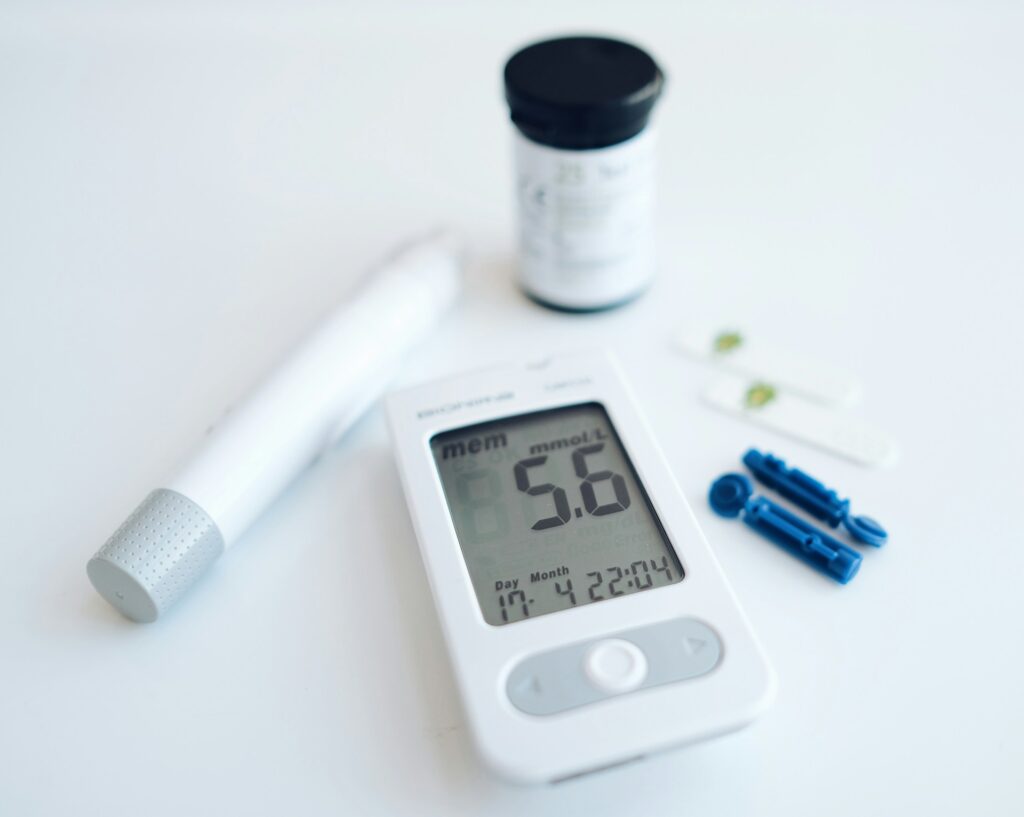
In addition to making sure your travel kit includes the items listed above, remember to ensure it is:
- Easy to access (not stashed under the plane)
- TSA-compliant (label everything clearly)
- Temperature controlled (use a cooler bag if needed)
Bonus Tip: Include extra batteries or a power bank for CGM readers or insulin pumps.
4. Know the Nearest Pharmacy — Before You Need It
Visiting a pharmacy is probably not part of your sightseeing plan, but if you run out of insulin or supplies, you’ll need to know where to go to restock! Look up a 24-hour pharmacy near your destination ahead of time. You can also stay extra prepared by:
- Packing extra diabetes supplies ahead of your trip.
- Bringing a printed copy of your prescriptions in case your digital copy can’t be accessed.
- Ensuring continuity of care while you travel by communicating with your doctor beforehand – they might be able to write a back-up prescription if needed or even call one in to a pharmacy near your destination.
5. Be Mindful of Food, Drink, and Exercise
When you’re traveling, you deserve to let loose a little and enjoy some delicious food (and drinks, if that’s your thing), but you still need to be aware of your intake to help avoid your blood sugar going out of range. If possible, try to remember:
- Alcohol can increase your chances of hypoglycemia, so always exercise caution when drinking.
- Never drink on an empty stomach.
- If you’re following a diabetic diet for weight loss, try planning some of the restaurants you’re going to visit ahead of time so you can make sure there are menu options that fit your plan.
- Make sure to time your insulin around your mealtimes to avoid going out of range.
And there you have it! Whether you’re going on the adventure of a lifetime or planning a relaxing getaway, following these tips will give you peace of mind to know you’re prioritizing your health while having fun. From stocking up on diabetes testing kits to finding pharmacies and restaurants ahead of time, there are so many ways to make sure you’re staying on top of your health. Bon Voyage!